
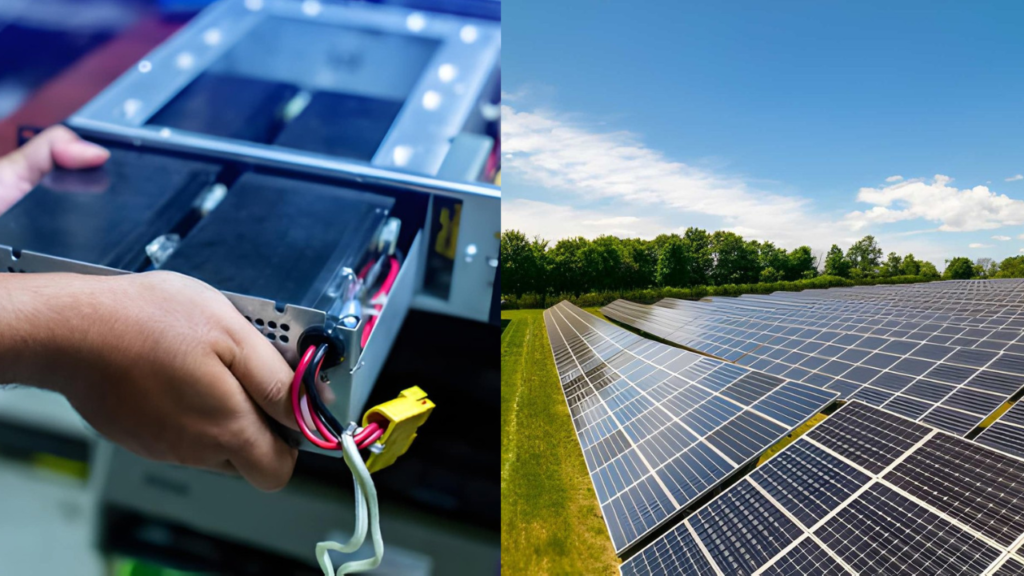
In Pakistan, power outages are a daily struggle for many households. With frequent load shedding, voltage fluctuations, and rising electricity bills, choosing the right backup solution has become essential. Two popular options are solar systems and UPS (Uninterruptible Power Supply) units. But which one is better for your home? In this blog, we’ll break down the pros and cons of each, helping you make an informed decision.
1. Understanding Solar Power for Home Backup
Solar power systems are becoming increasingly popular in Pakistan. They use sunlight to generate electricity through solar panels, which can then be stored in batteries for later use. One of the biggest advantages of solar systems is their ability to provide clean, renewable energy, reducing dependency on the grid.
Benefits of Solar Systems:
- Long-term cost savings: Once installed, solar panels can significantly lower electricity bills.
- Environmentally friendly: Solar energy is renewable and produces no emissions.
- Reliable backup during load shedding: With proper battery storage, your home can run essential appliances even when the grid is down.
When choosing a solar system, it’s important to select best solar panels in Pakistan to ensure efficiency and durability. A high-quality panel not only generates more energy but also lasts longer, providing a solid return on investment.
2. Understanding UPS Systems for Home Backup
A UPS is a device that provides immediate backup power during outages. Unlike solar systems, UPS units rely on batteries that are pre-charged from the electrical grid. The main advantage of a UPS is instantaneous power supply, which is crucial for sensitive electronics like computers, networking equipment, or security systems.
Benefits of UPS:
- Instant power backup: No delay in switching from the grid to battery.
- Protects appliances from voltage fluctuations: Most UPS units come with built-in surge protection.
- Compact and easy to install: Ideal for apartments or small homes.
For households that experience short, frequent power cuts, opting for a UPS or even UPS rental services can be a practical solution. Some brands, like Eaton UPS, are known for their reliability and long-lasting performance, making them a trusted choice for critical home systems.
3. Comparing Solar vs UPS
When deciding between solar and UPS, several factors come into play:
a. Backup Duration
- UPS: Typically provides 1–3 hours of backup depending on the battery capacity.
- Solar: Can provide longer backup if paired with adequate batteries, often lasting several hours or even a full day depending on system size.
b. Initial Cost
- UPS: Lower upfront cost, making it accessible for most households.
- Solar: Higher initial investment, but the long-term energy savings can outweigh the cost over time.
c. Maintenance
- UPS: Requires battery replacement every few years, and regular checks for performance.
- Solar: Minimal maintenance, mainly cleaning panels and ensuring batteries are in good condition.
d. Environmental Impact
- UPS: Relies on grid electricity, which may come from fossil fuels.
- Solar: Clean, renewable energy with zero carbon emissions.
4. Situations Where UPS is Better
A UPS is ideal if:
- You experience short power cuts frequently.
- You need uninterrupted power for computers, home offices, or security systems.
- You don’t have space for solar panels or can’t afford the higher initial cost of a solar system.
In such cases, investing in a reliable UPS like Eaton UPS ensures that your home appliances remain safe and functional even during sudden outages. Additionally, UPS rental services can provide temporary solutions for those who need short-term backup without purchasing a unit.
5. Situations Where Solar is Better
Solar systems are preferable if:
- You face long daily outages.
- You want to reduce electricity bills and become less dependent on the grid.
- You aim to adopt a sustainable, eco-friendly energy solution.
Pairing solar panels with efficient battery storage ensures that you have continuous power during peak outages, making it perfect for households with multiple high-power appliances. Choosing the best solar panels in Pakistan will guarantee efficiency and longevity for years to come.
6. Cost Considerations in Pakistan
While UPS units are more affordable initially, they do not save electricity costs since they still rely on grid power. Solar systems, though expensive at the start, offer long-term savings and can even generate electricity surplus in some cases.
Additionally, government incentives and subsidies for solar installations in Pakistan can help reduce upfront costs, making solar a more attractive option over time.
7. Practical Tips for Choosing the Right Backup
- Assess Your Needs: Determine how many appliances you need to power and for how long.
- Calculate Backup Duration: For short outages, a UPS might suffice. For long outages, solar with batteries is better.
- Budget Wisely: Factor in both upfront costs and long-term savings.
- Consider Space: Solar panels need rooftop space; UPS requires indoor placement.
- Maintenance: Ensure batteries (whether UPS or solar) are regularly checked for optimal performance.
8. Final Verdict: Solar vs UPS in Pakistan
There’s no one-size-fits-all answer. For short, frequent outages or sensitive electronics, a UPS is practical and cost-effective. For long-term savings, sustainable energy, and longer outages, a solar system is a smarter investment.
Some households even combine both solutions using a UPS for instant power during brief outages and solar for extended backup during long power cuts. This hybrid approach ensures maximum reliability and peace of mind.
Conclusion
Choosing between solar and UPS depends on your home’s energy needs, budget, and the type of outages you experience. By understanding the pros and cons of each, you can make a decision that saves money, protects your appliances, and ensures uninterrupted power.
