
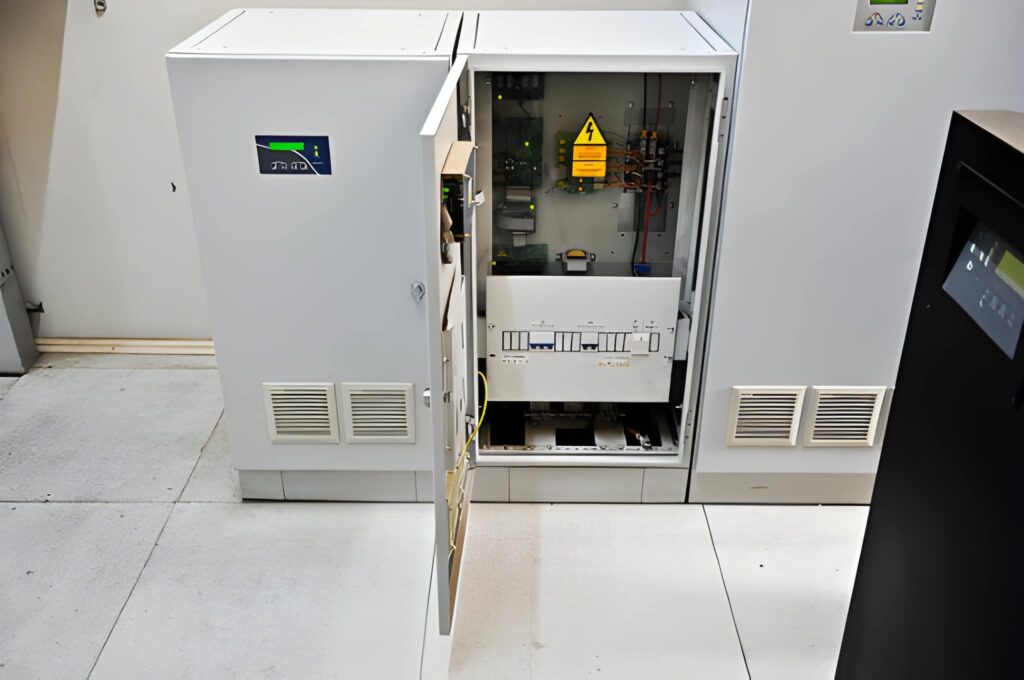
For businesses that depend on continuous operations, power interruptions are not just inconvenient—they are disruptive, costly, and damaging to long-term stability. Manufacturing units, commercial facilities, healthcare services, data-driven operations, and industrial environments all rely on stable electricity to function smoothly. Even short power failures can interrupt workflows, damage equipment, compromise safety, and impact customer trust. This is why reliable backup power planning has become a core part of business strategy rather than just a technical requirement.
In such environments, flexible backup systems are more valuable than fixed infrastructure. This is where ups rental solutions provide a practical and strategic advantage by delivering reliable power protection without long-term ownership or heavy capital investment.
Why Downtime Is a Serious Business Risk
Operational downtime affects more than just machines it impacts productivity, revenue, and reputation. Power interruptions can lead to:
Production stoppages and missed deadlines
Data system failures and information loss
Equipment damage and system errors
Safety risks for staff and infrastructure
Customer dissatisfaction and service delays
For many businesses, downtime directly translates into financial loss and reduced operational confidence.
The Shift Toward Flexible Power Solutions
Traditional power backup models require large investments, permanent installations, and long maintenance commitments. For many organizations, this approach is no longer efficient especially when power needs are temporary, project-based, seasonal, or transitional.
Ups rental offers a flexible alternative by allowing businesses to access reliable backup power systems only when they are needed. Instead of purchasing and maintaining permanent infrastructure, companies can deploy temporary power solutions that match their operational timelines and energy demands.
How UPS Rental Solutions Create Real Business Value
1. Fast Deployment and Quick Setup
Backup systems can be installed and activated quickly, ensuring minimal disruption during outages, maintenance, or system upgrades. This rapid availability is critical in time-sensitive operations.
2. Financial Flexibility
Rental-based models reduce capital expenditure and eliminate long-term financial commitments. Businesses can manage costs more effectively without investing in permanent power infrastructure.
3. Scalable Power Support
Power demands change as operations expand or projects grow. Rental systems can be scaled according to load requirements, offering adaptability for evolving business needs.
4. Technical Simplicity
Businesses are not burdened with maintenance, servicing, or system management. Technical responsibility remains with service providers, ensuring reliability without operational complexity.
5. Professional System Management
Expert installation, configuration, and monitoring ensure that backup systems operate efficiently and securely, reducing risk and improving performance stability.
Real-World Business Applications
Emergency Backup Support
Unstable grid supply and unexpected outages require immediate solutions. Temporary backup systems ensure continuity during unpredictable power failures.
Planned Maintenance and Upgrades
During infrastructure upgrades or scheduled maintenance, operations can continue without disruption through temporary power support.
Industrial Projects and Expansions
Construction projects, industrial expansions, and new facility setups require temporary energy systems that do not demand permanent installation.
Seasonal Load Management
Businesses with fluctuating seasonal demand can manage peak loads efficiently without investing in permanent capacity.
Business Continuity and Operational Resilience
Power reliability is directly connected to business resilience. Organizations that integrate backup power into their continuity planning are better prepared for disruptions, emergencies, and system failures.
Ups rental becomes a strategic asset in business continuity planning by providing flexibility, reliability, and operational security without long-term infrastructure commitments.
A Smarter Power Strategy for Modern Businesses
Modern organizations are shifting from ownership-based infrastructure models to service-based solutions. This transition allows businesses to remain agile, cost-efficient, and adaptable. Backup power is no longer treated as a fixed asset it is treated as a service that supports operations when needed.
This approach enables organizations to focus on core business activities while ensuring uninterrupted operations through reliable energy support systems.
Protecting Business Reputation and Trust
Customers and partners expect reliability. Power failures affect not only internal operations but also external trust. Service disruptions, delayed deliveries, and system failures damage credibility and brand value.
Reliable backup power solutions protect not just infrastructure, but also business relationships, reputation, and long-term credibility.
Conclusion
When downtime becomes a business risk rather than a technical inconvenience, organizations must rethink their approach to power protection. Ups rental solutions provide a flexible, scalable, and reliable way to ensure operational continuity without heavy investment or permanent infrastructure.
By offering fast deployment, cost efficiency, scalability, and professional management, these solutions transform backup power into a strategic business tool rather than just a technical safeguard.
For businesses that cannot afford interruptions, reliable power is not a luxury it is a necessity. And smart backup planning is no longer optional—it is a core part of sustainable business operations.
