
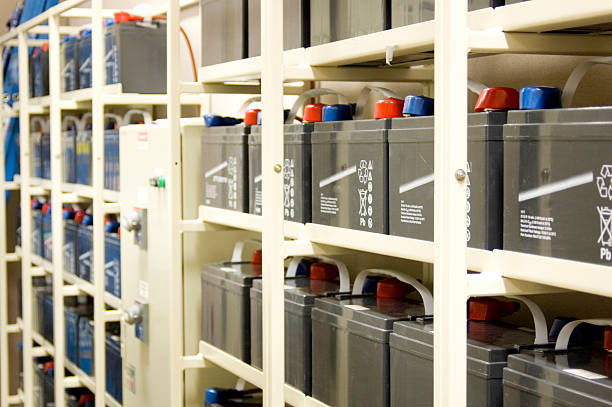
Reliable electricity is essential for modern businesses. Power outages, voltage fluctuations, and unexpected electrical problems can interrupt operations and cause financial losses. Offices, factories, hospitals, and IT companies all rely on stable power to keep their systems running. Because of this, many organizations consider installing an Uninterruptible Power Supply (UPS).
However, an important decision arises when choosing the right solution. Should a business purchase a UPS system or consider UPS Rental instead? Both options have advantages, and the best choice depends on budget, usage duration, and operational needs. Understanding the differences between renting and buying can help businesses select the most practical backup power option.
Why Businesses Need a UPS System
A UPS system provides instant backup power when the main electricity supply fails. Even a short power interruption can shut down computers, servers, and important equipment. In some industries, this can result in data loss, equipment damage, or service interruptions.
A reliable UPS ensures that operations continue during power disruptions until the main supply is restored or another power source becomes available. Because downtime can be costly, businesses carefully evaluate their backup power solutions.
Benefits of Buying a UPS System
Buying a UPS system is often viewed as a long-term investment. Companies that require continuous power backup throughout the year may prefer owning their equipment.
One of the main benefits of purchasing a UPS is complete ownership. Businesses can use the system whenever they need without depending on external providers. It also allows organizations to install a system that is specifically designed for their operational requirements.
Another advantage is long-term usage. Once the system is installed, it can serve the business for many years. Although the initial cost may be high, companies that use the system daily may find that purchasing becomes more economical over time.
However, owning a UPS also involves responsibilities. Maintenance, battery replacements, and occasional repairs are necessary to ensure the system works efficiently. Businesses must also allocate space and technical support for managing the equipment.
Advantages of UPS Rental
For many businesses, UPS Rental offers a more flexible and convenient solution. Instead of making a large upfront investment, companies can rent a UPS system for a specific period based on their requirements.
One major advantage of renting is lower initial cost. Small businesses, startups, or organizations working on limited budgets often prefer this option because it avoids large capital expenses. Renting also allows businesses to access high-quality equipment without purchasing it permanently.
Another important benefit of UPS Rental is flexibility. Businesses can easily adjust their power backup capacity depending on their changing needs. If operations expand or temporary projects require additional backup power, renting makes it easier to scale up without major investments.
Maintenance support is another reason many companies choose rental services. In most cases, the service provider handles maintenance and technical servicing. This reduces the burden on the business and ensures that the system operates efficiently.
Cost Comparison Between Renting and Buying
Cost plays a significant role in deciding between renting and buying. Purchasing a UPS requires a large upfront payment. In addition, businesses must consider long-term costs such as maintenance, battery replacement, and servicing.
With UPS Rental, companies usually pay a fixed monthly or short-term fee. This makes budgeting easier and avoids unexpected maintenance expenses. While renting may become more expensive over many years, it is often the better option for businesses that require temporary or flexible solutions.
For example, organizations that operate seasonal projects or temporary offices may find renting more practical than investing in equipment they may not use later.
Situations Where UPS Rental Is a Better Option
There are several scenarios where renting a UPS system makes more sense than purchasing one. Businesses that require backup power for short-term projects often choose UPS Rental because it allows them to access reliable equipment without long-term commitments.
Companies undergoing maintenance, relocation, or infrastructure upgrades may also benefit from temporary backup power solutions. Renting ensures that operations continue smoothly during these transitional periods.
Events, exhibitions, and construction sites are other examples where rental services are commonly used. Since these projects are temporary, renting a UPS system is usually the most efficient option.
How to Decide What Is Best for Your Business
Choosing the right backup power solution depends on several factors. Businesses should first evaluate how often they experience power outages and how critical uninterrupted power is to their operations.
If a company requires permanent backup power and plans to use the system daily for many years, purchasing a UPS system may be the better investment. On the other hand, organizations that need temporary or flexible solutions may find UPS Rental more practical and cost-effective.
Budget is another important factor. Businesses with limited capital may prefer renting because it reduces financial pressure while still providing reliable backup power.
Conclusion
A dependable power backup system is essential for businesses that cannot afford operational interruptions. Both renting and buying a UPS system offer benefits, and the right choice depends on each organization’s needs.
Buying a UPS provides long-term ownership and continuous availability, while UPS Rental offers flexibility, lower initial cost, and convenient maintenance support. By carefully evaluating operational requirements and financial considerations, businesses can select the backup power solution that best supports their productivity and long-term growth.
