
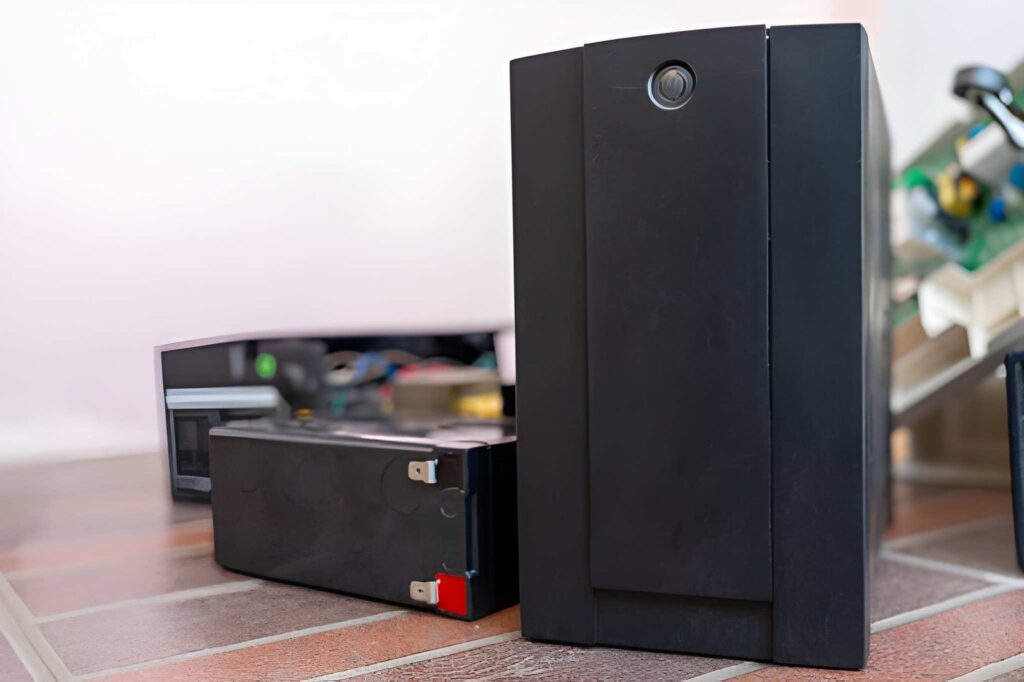
A UPS (Uninterruptible Power Supply) is one of the most important backup power solutions for homes and businesses. Whether you rely on it during unexpected outages or use it to protect sensitive equipment, the battery is the heart of the entire system. However, many people ask the same question: How long does a UPS battery last, and how do you know when it’s time to replace it?
The answer depends on several factors, including battery quality, usage, environmental conditions, and maintenance. Understanding these factors can help you avoid sudden power failures and keep your backup system working when you need it most.
What Is the Average Lifespan of a UPS Battery?
On average, a UPS battery lasts between 3 and 5 years. Some high-quality batteries may last even longer under ideal conditions, while others may require replacement sooner if they are exposed to frequent power outages, excessive heat, or poor maintenance.
If your UPS is used daily or experiences regular charging and discharging cycles, its battery will naturally wear out faster. Therefore, monitoring its performance over time is just as important as knowing its expected lifespan.
Factors That Affect UPS Battery Life
Several factors determine how long your UPS battery will continue to perform efficiently.
Temperature
Heat is one of the biggest reasons batteries lose their capacity. High temperatures speed up chemical reactions inside the battery, reducing its overall lifespan. Keeping your UPS in a cool and well-ventilated area can significantly improve battery performance.
Frequency of Power Outages
Every time a UPS switches to battery mode, it completes a discharge cycle. The more often this happens, the faster the battery ages. Areas with frequent electricity interruptions usually require battery replacement sooner than places with stable power.
Battery Quality
Not all batteries offer the same level of reliability. Choosing a high-quality Maintenance Free Battery can reduce maintenance requirements while providing dependable backup power for everyday applications.
Regular Maintenance
Although many modern batteries require little attention, keeping battery terminals clean, checking connections, and ensuring proper ventilation can help extend battery life.
Signs It’s Time to Replace Your UPS Battery
Even if your UPS still turns on, its battery may no longer provide reliable backup power. Here are some common warning signs to watch for.
Reduced Backup Time
If your UPS previously provided backup power for 30 minutes but now lasts only a few minutes, the battery has likely reached the end of its service life.
Frequent Warning Alarms
Many UPS systems alert users when battery health begins to decline. Repeated warning lights or beeping sounds should never be ignored.
Longer Charging Time
A battery that takes much longer than usual to recharge may no longer be operating efficiently. This is often an early sign of battery deterioration.
Physical Damage
If you notice swelling, leaks, corrosion, or unusual odors coming from the battery, replace it immediately. Continuing to use a damaged battery can create safety risks and reduce system reliability.
Unexpected Shutdowns
One of the clearest signs of battery failure is when the UPS shuts down immediately after a power outage instead of providing backup power.
Can You Extend the Life of Your UPS Battery?
Yes. While every battery has a limited lifespan, following a few simple practices can help maximize its performance.
- Keep the UPS in a cool, dry environment.
- Avoid overloading the UPS beyond its rated capacity.
- Test the battery periodically to ensure it functions correctly.
- Replace aging batteries before they fail completely.
- Use genuine replacement batteries recommended for your UPS model.
Small preventive measures today can save you from expensive downtime later.
Does Battery Type Make a Difference?
Absolutely. Different battery technologies are designed for different applications. For example, VRLA Batteries are widely used in UPS systems because they are sealed, reliable, and require minimal maintenance. They also provide stable performance for commercial and industrial backup applications.
Similarly, some users choose 12V 100Ah Batteries for larger backup requirements where longer runtime is needed. However, selecting the correct battery always depends on the UPS capacity and the connected load.
Why Timely Battery Replacement Matters
Many users continue using an aging battery because the UPS still appears to function normally. Unfortunately, battery performance often declines gradually, making it difficult to notice until a power outage occurs.
Replacing a battery before complete failure helps protect valuable equipment, prevents unexpected downtime, and ensures your UPS continues delivering reliable backup power when electricity is interrupted.
Final Thoughts
A UPS battery is not designed to last forever, but understanding its expected lifespan and recognizing early warning signs can help you avoid unnecessary disruptions. Most UPS batteries perform reliably for three to five years, although actual life depends on usage, temperature, and maintenance.
If you notice shorter backup times, warning alarms, slow charging, or physical damage, it’s best to replace the battery before it fails completely. Investing in a quality replacement and following basic maintenance practices will keep your UPS operating efficiently and provide dependable protection for your home or business whenever power interruptions occur.
