
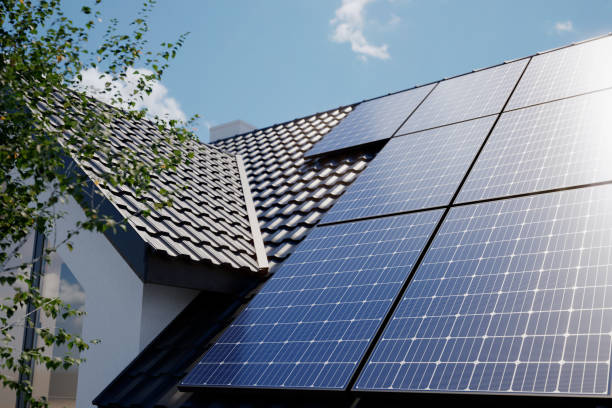
Solar energy has become one of the most popular solutions for homes and businesses in Pakistan. With frequent power outages, rising electricity bills, and an increasing focus on sustainable energy, installing solar panels is a smart choice. However, choosing the right solar panels requires careful consideration. Not all panels are created equal, and selecting the wrong system can lead to poor performance, higher costs, and maintenance issues. This guide will help you understand what to check before buying solar panels in Pakistan to ensure the best results for your home or business.
Understand Your Energy Needs
Before buying solar panels, the first step is to understand your energy requirements. Calculate your average electricity consumption in kilowatt-hours (kWh) per month. This information is usually available on your electricity bill. Knowing your consumption will help determine the size of the solar system you need.
For example, a small home may need a system of 3–5 kW, while larger homes or businesses may require 10 kW or more. Choosing the correct size is crucial because undersized systems will not meet your energy needs, and oversized systems may increase your upfront costs unnecessarily.
Check the Quality of Solar Panels
The quality of solar panels is one of the most important factors to consider. High-quality panels are more efficient, last longer, and perform better under different weather conditions. Look for panels from reputable manufacturers with proven performance in Pakistan’s climate.
Monocrystalline panels are generally more efficient and have a longer lifespan compared to polycrystalline panels. However, they may be slightly more expensive. Polycrystalline panels are also reliable and can be a good option for those with budget constraints.
Consider Efficiency and Performance
Efficiency refers to how effectively a solar panel converts sunlight into electricity. Higher efficiency panels produce more power in limited space. This is particularly important if you have a small roof area.
Also, check the panel’s performance in low-light conditions. Some panels perform better in cloudy or partially shaded conditions. Make sure the panels you choose are suitable for the climate in your area.
Check Warranty and After-Sales Support
A solar panel is a long-term investment, and you need to make sure it is backed by a solid warranty. Most high-quality solar panels come with a warranty of 10–25 years. The warranty usually covers power output, ensuring that the panels will continue to generate electricity efficiently over time.
After-sales support is equally important. Choose suppliers who provide installation, maintenance, and technical support. This ensures that you have help available if any issue arises with your system.
Inverter Quality and Compatibility
The inverter is a critical part of your solar system. It converts the direct current (DC) produced by the solar panels into alternating current (AC) that your home or business can use. A high-quality inverter ensures efficient energy conversion and protects your appliances from power fluctuations.
Make sure the inverter is compatible with your solar panels and energy needs. Some inverters come with additional features like remote monitoring, which can help you track energy production and usage.
Check Installation and Roof Conditions
Proper installation is key to the performance of solar panels. Panels should be installed at the correct angle and orientation to maximize sunlight exposure. In Pakistan, a south-facing roof usually receives the most sunlight throughout the year.
Before installation, inspect your roof. It should be strong enough to support the panels and free from shading that can reduce panel efficiency. Also, check whether your roof requires any maintenance or repairs before installation.
Compare Prices and Financing Options
The cost of solar panels varies based on quality, brand, and system size. Compare prices from different suppliers to ensure you are getting value for money. Remember that cheaper panels may have lower efficiency or shorter lifespan, leading to higher costs in the long run.
Many companies in Pakistan also offer financing options or installment plans. This can make it easier for homeowners and businesses to invest in solar energy without paying the full cost upfront.
Check Local Regulations and Net Metering
In Pakistan, net metering allows you to sell excess electricity generated by your solar system back to the grid. Before installing solar panels, check the local regulations and ensure that your system will be eligible for net metering. This can significantly reduce your electricity bills and improve the return on investment.
Read Reviews and Ask for References
Before finalizing a purchase, read customer reviews of the solar panels and the supplier. Reviews provide insight into panel performance, durability, and customer service. You can also ask the supplier for references of previous customers in Pakistan. Talking to them can help you understand the real-world performance of the panels and the quality of the installation.
Conclusion
Investing in solar panels in Pakistan is a smart choice for reducing electricity bills and ensuring a reliable power supply. However, careful consideration is essential before making a purchase.
Understand your energy needs, check the quality and efficiency of panels, verify warranties and after-sales support, and ensure proper installation. Don’t forget to consider inverter quality, roof conditions, pricing, financing options, and local regulations.
By following these steps, you can select the best solar panels in Pakistan that will provide long-lasting, efficient, and reliable energy for your home or business. Proper planning and research ensure that your solar investment is both cost-effective and sustainable.
